openobject.org

A critique of ‘Personal Computer Case Modding'

From Mod Mania

Benjamin Creek S3083541


Consumer communities Task2 Essay Mod


Computer Case Modding A critique of ‘Personal Computer Case Modding By Kieran Prescott’


Kieran Prescott’s “Personal computer case modding” looked at the phenomenon of computer case modification and the online modding community who engage in this practice. Prescott looked specifically at the different reasons individuals involved in the online modding community give for becoming involved with computer case modding. These rationales included: experimentation; peer recognition; improving the functionality of the product; improving the aesthetics of the product in line with personal expression and taste; and, increasing the performance of the product. This essay looks further at the cultural and social significance of this form of modification and expands the scope of this investigation to include those outside the online computer case modding community.

Image:2003 - Ben Creek First case mod - .JPG‎

My first PC case mod in 2003.


As a glorification of the gateway to the virtual world, a modified computer case functions as a trophy or shrine to others within the community. Through the development of the web came a never before seen ability for people to manifest a second self in a second reality, a reality in many ways less restrictive than daily existence. Phenomena such as Second Life are but the polished tip of the scope of this activity. The physical machines that facilitated these virtual environments found unrivaled personal importance to their users. For many the PC was the symbol of freedom as the car was to earlier generations. In the same way that a car operated as a cultural signifier to others of one’s sub-cultural value, modified computer cases allowed others to recognize an individual’s commitment to their sub-cultural identity.

Image:Lego - PC case mod.jpg‎

Sometimes very unconventional building materials used.


Prescott notes that one of the core reasons for computer case modding is peer recognition and a friendly sense of competition. It could then be argued that these modifications are performed for the other, rather than for the self. This can be seen through the social aspects of the computer case modifying subculture, such as LAN parties, participation in online forums and computer gaming. Since these machines normally operated in very private spaces, LAN parties enabled these objects to be put on display for others within the community. The LAN party became like an event to work towards, an opportunity to work on new mods to exhibit at the next event. It has been said that “often case modders and over-clocker’s attend these events to display their computers, which otherwise would be seen by few. Some come just to display their computers and look at others' computers.”

Image:Computer juxaposed into Furniture.jpg‎

Camouflaged portable PC case mod.


As well as cultural signifiers, modifications serve as an improvement of function as modders amend the manufacturer’s product to include better and additional features. Prescott noted that computer case manufacture is limited by the cost-saving drive of the manufacturer. The manufacturer wants to produce a product that will sell at the greatest price for the least expenditure. That means that features that would improve the function of the product will be left out if they do not also improve the volume of consumption of the product. Ultimately, the function is compromised by the design. Modders, however, recognizing the possibilities for functional improvement, make amendments to the product, such as the installation of additional cooling devices to facilitate the over-clocking of the hardware. Subsequently, in response to the developments within the computer case modding community, manufacturers will often incorporate affordable modifications into their product lines. Modders play a key role in leading the industry towards the wants and needs of the industry.
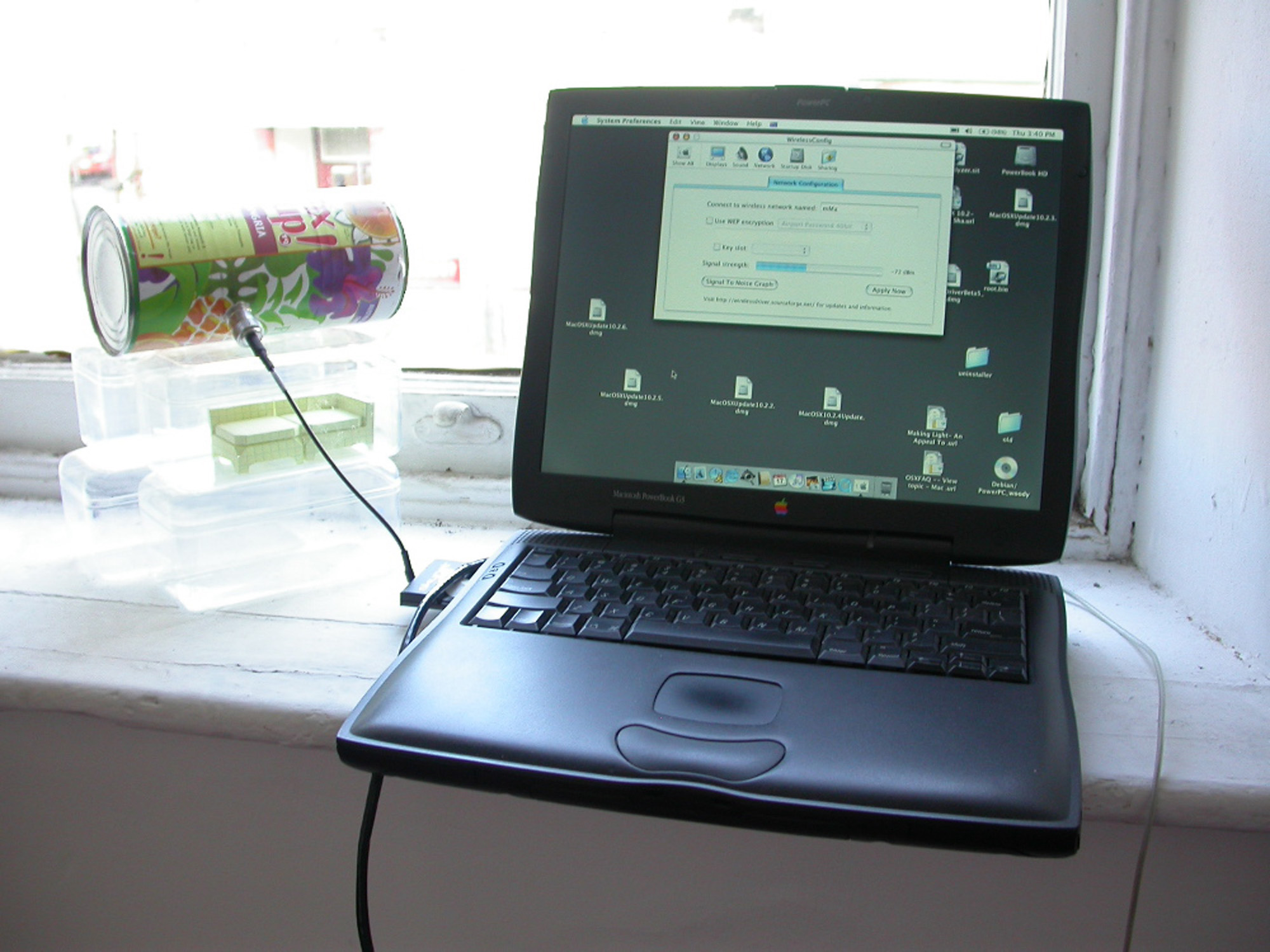

Image:PC Case Mod - Performance and asthetics.jpg‎

An example of a professional modded case.


As this modding activity has matured, larger themes within these mods have diversified into significant categories. One such category is steam punk, a sub-genre of science fiction and speculative fiction that has had a significant influence on the aesthetic of case mods. Steam punk virtuoso Rich-Nagy explains the origin of his latest creation; “I started that one several years ago as a minor case mod (just the PC case) and the project kept growing beneath me until it became the endearingly awkward behemoth it is today”.

Image:Dave Veloz  - Steam Punk - Mac Mini -Case Mod.jpg‎ Image:Dave Veloz  - Steam Punk - Mac Mini -Case Mod and assessories.jpg‎

Dave Veloz's Steam Punk aesthetic MacMini Case mod and accessories


Steam punk is an example of an aesthetic commonly used in case modding that has expanded into a diverse range of products such as laptops, mobile phones and other interfaces. As our computer technology gets physically smaller, case modding for performance becomes harder to apply. This is apparent with netbook and I-Mac computers where the electronic components are compactly packaged so that eventually only the interface remains. This trait of technological development will lead to mods becoming more centered around aesthetics and ergonomic considerations. The way we interact with computers is changing with more devices being capable of doing similar tasks, which in the past would have been performed solely by the PC, such as checking email, surfing the net and playing online games. Consumers have a cluster of devices that are interconnected to the same data and this phenomenon has already seen modders in the steam punk vain attempt to modify a number of devices to fit the same aesthetic style/theme. With many of these devices, however, the physical play space becomes increasing smaller and thus harder to modify. Naturally, modding the electronics of new, tiny devices poses more difficulties than computer cases or larger devices. All of the components are in that near-microscopic format and all of the cables and connectors are much smaller, but it's still achievable. “From a design standpoint, it's difficult to modify small devices like cellphones, PDAs and MP3 players without ruining the intrinsic convenience and portability of the device. It's always difficult to balance form and function in a mod, but portable devices make that task even harder.”

Image:Laptop Pimp - Steam Punk Laptop Case Mod.jpg‎ Image:ps3-steampunk - case mod.jpg‎

Steam Punk asthetic being used on other related product casing mods


It will be interesting to see how the computer case modding community diversifies as the consumer product it is based around changes. The role of modding in both responding to and leading industry development is illustrated in the growth of these new devices within the market. The status symbol of a computer case mod and the sense of ownership and belonging created within these communities serves as a reminder of the lack of control generated through the commercial design process. Designers would do well to remember that the design process does not end at the point of sale, but continues throughout the life of the product. Computer case modders remind us that users still play an important role in the design feedback loop as they develop new configurations for existing products which then feeds back into the industry.


Image:Russian-pc.jpg‎


1. “LAN party”, Wikipedia, http://en.wikipedia.org/wiki/LAN_party (accessed 2/5/10).

2 “Exclusive Interview: Steampunk Virtuoso Datamancer, aka Rich Nagy, Shows Us His 'Tesla Cane'”, Gizmodo, http://gizmodo.com/322687/exclusive-interview-steampunk-virtuoso-datamancer-aka-rich-nagy-shows-us-his-tesla-cane (accessed 2/5/10).

3. Ibid.