Main Page
From Physical Programming
Physical Programming: Exploring emergent systems through software and hardware.
Physical Programming is an elective subject run by the RMIT School of Architecture and Design. It provides students with an opportunity to explore visual programming and basic electronics within a design environment. Using the concept of emergence, the subject will demonstrate how complex systems can result from relatively simple components. This approach will be applied to the development of complex interactive systems using software and hardware tools designed specifically for artists and designers. Students will investigate embedded technology, including wearable devices, intelligent products and immersive environments.

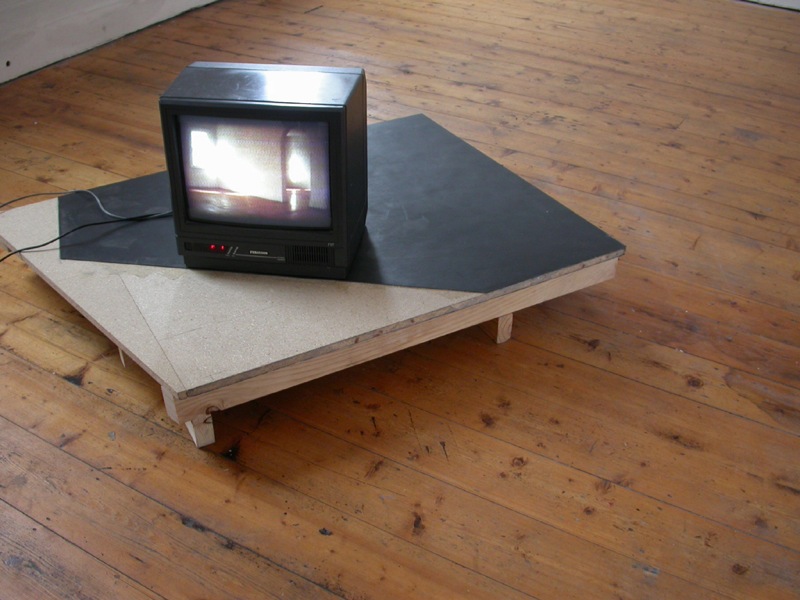
The term ‘emergent’ refers to the way complex systems arise out of simple units following simple rules. Examples include the flocking of birds, ant colonies, the structure of neurons in the brain, social networking sites and even cities. In architecture and design, principles of emergence can be used to evolve environmentally responsive, open-ended and bottom-up systems, as they might exist in nature. The aim of the class is not to mimic the look of these systems, but to understand the underlying rules and principles which give rise to these naturally occurring phenomena in order to exploit them as tools for design generation.
This site acts as a point of contact for students outside of class time and provides a public presence for the student work and course material. It is based on MediaWiki, the free software wiki package originally written for Wikipedia. To add content or edit information on this site simply login/create an account.
Physical Programming was developed by Rory Hyde and Scott Mitchell.